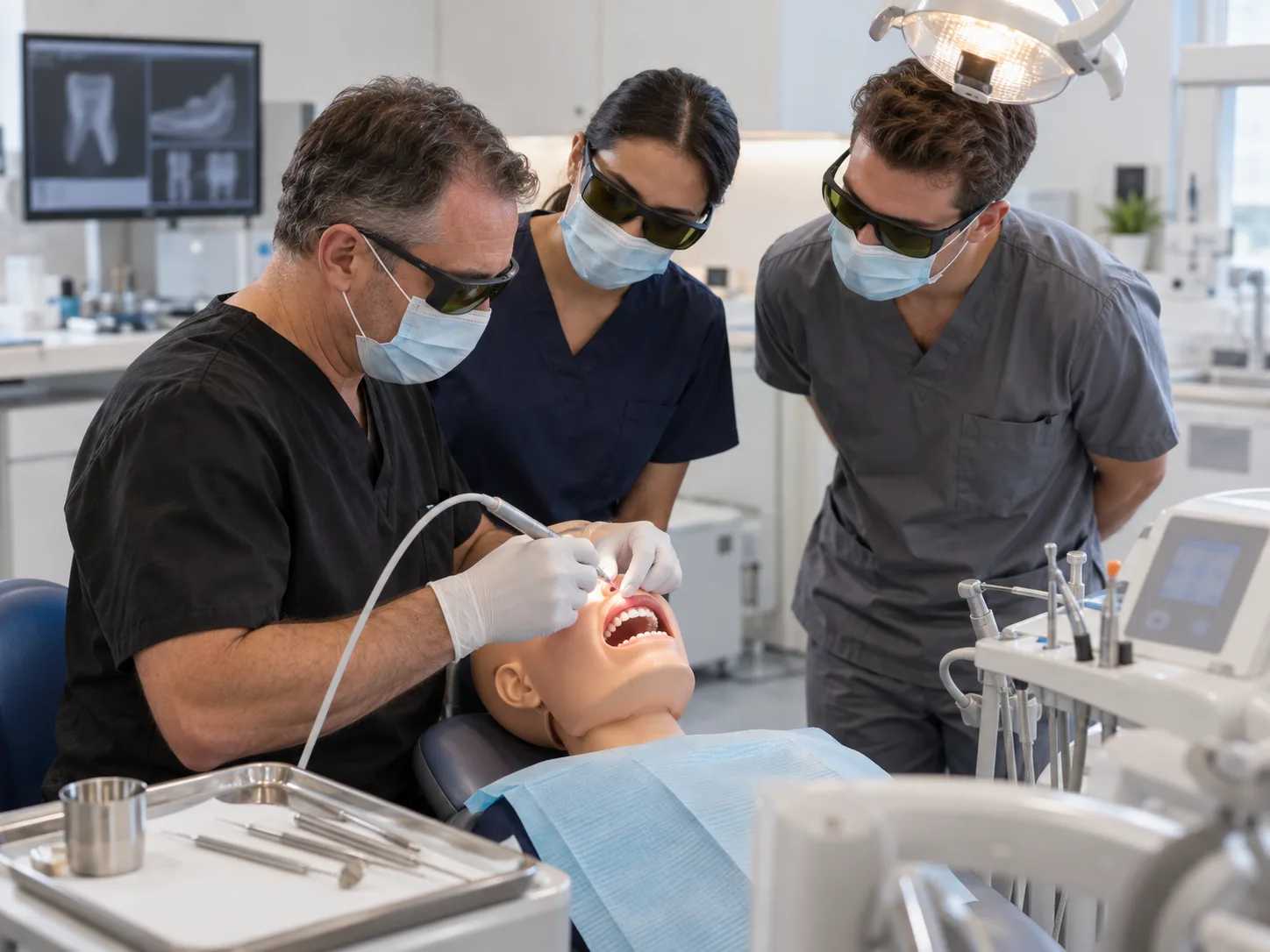
Dental lasers fit into photodynamic therapy as the light source. Its job is to switch on a dye that attacks the infection. That one job sits at the centre of a treatment most Australian practices can run with gear they already own.
Yet plenty of clinicians who bought a diode laser still reach for it only to tidy up soft tissue. At GPIAG, we hear that from surgeries every month. Most of the time, it comes down to how the light and the dye work together.
This guide walks you through the chemistry, the laser’s role, the infections it treats, and what the studies report. Let’s get into it.
What Is Photodynamic Therapy Dentistry?
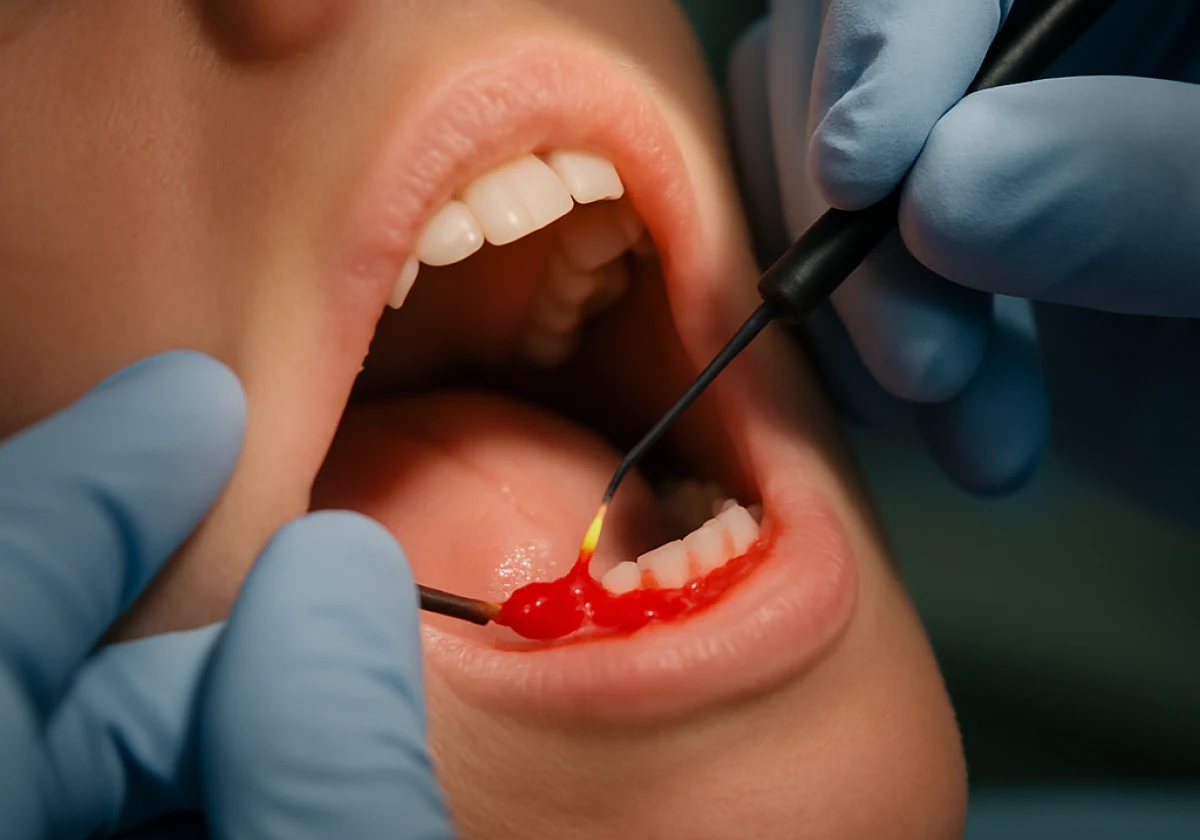
Photodynamic therapy dentistry combines three things: a photosensitising dye, a light source, and oxygen. Journals shorten it to PDT in dentistry, and the order of those steps counts more than any kit on your bench.
Below, we break it down into basic principles.
How Photosensitisers and Light Sources Work Together
The photosensitiser is applied first and needs a few minutes to soak into the biofilm and attach to the bacteria. Research papers often shorten the term to PS.
While the dye stays in the dark, it remains inactive and does not affect the surrounding gum tissue. Once it has had enough time to settle, the light is applied.
A laser delivers a specific wavelength that the dye absorbs. This helps target the bacteria while limiting the effect on nearby healthy tissue.
The dye therefore needs enough time to work before the light is applied. Timing is more important than increasing the light power, and rushing the soaking stage is a common mistake when training a new practice.
Singlet Oxygen: The Type II Reaction and Its Cellular Targets
When the dye absorbs the light, it transfers that energy to oxygen in the tissue. This creates singlet oxygen, which lasts for only a few microseconds but can quickly damage nearby bacteria.
The singlet oxygen attacks bacterial membranes, proteins, and DNA, which causes the cells to die. Researchers call this process photodynamic inactivation.
Because the reaction happens close to where the dye and light are applied, the effect stays near the treatment site. The active compounds don’t travel through the blood, which limits the treatment to the area being treated.
Which Dye Is Best for Photodynamic Therapy?
Methylene blue is widely used in dental treatment because it absorbs red light at around 660 nanometres, which matches the wavelength used by many dental lasers.
Toluidine blue works in a similar way and can attach to bacterial cells in the gums. And rose bengal absorbs green light instead, so the dye needs to match the wavelength of the laser being used.
Older dyes, such as haematoporphyrin derivative and protoporphyrin IX, were first developed for cancer treatment and are less common in dental care. For periodontal treatment, methylene blue is often a practical starting option because it rinses away easily and has a relatively low treatment cost.
Where Dental Lasers Fit: Diode Laser Dentistry as the Light Source
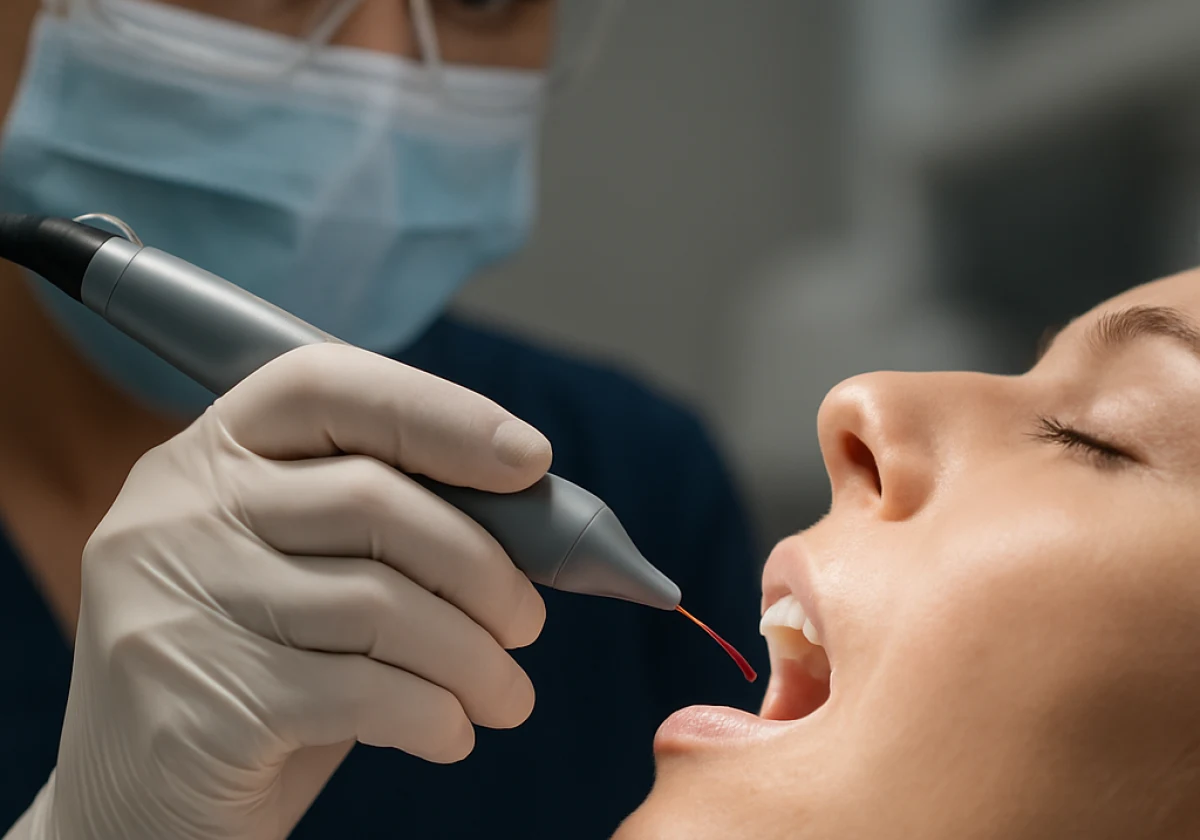
Many dental practices already have the diode laser used for antimicrobial photodynamic therapy, so getting started may be easier than expected. A 660 nanometre unit with a stripped or flat fibre tip can deliver the light needed to activate the dye.
The main change is how the laser is used. Power is reduced to around 100 milliwatts in continuous mode, with about 60 seconds of treatment per site. At this setting, the laser isn’t cutting or heating tissue. It’s simply activating the dye.
Clinicians also use the term fluence rate, which describes how much light reaches each square centimetre per second. The amount of light that reaches the dye is important, so access to the treatment site can have a bigger effect than laser output.
This becomes important in deep pockets. A fibre placed in a 7 mm pocket may not reach the full depth, which leaves some bacteria without enough light. Those bacteria can then survive the treatment.
The practical setup is also fairly simple. The same laser can handle both cutting and photodynamic treatment, while training can often cover the change in use in under an hour. The main consumables are the fibre tips, dye, and timer, with costs kept low per site.
That shared equipment makes diode laser dentistry a practical option for adding antimicrobial treatment. Practices can use a device they already own rather than investing in a separate system.
Treating Oral and Periodontal Diseases with Antimicrobial Photodynamic Therapy
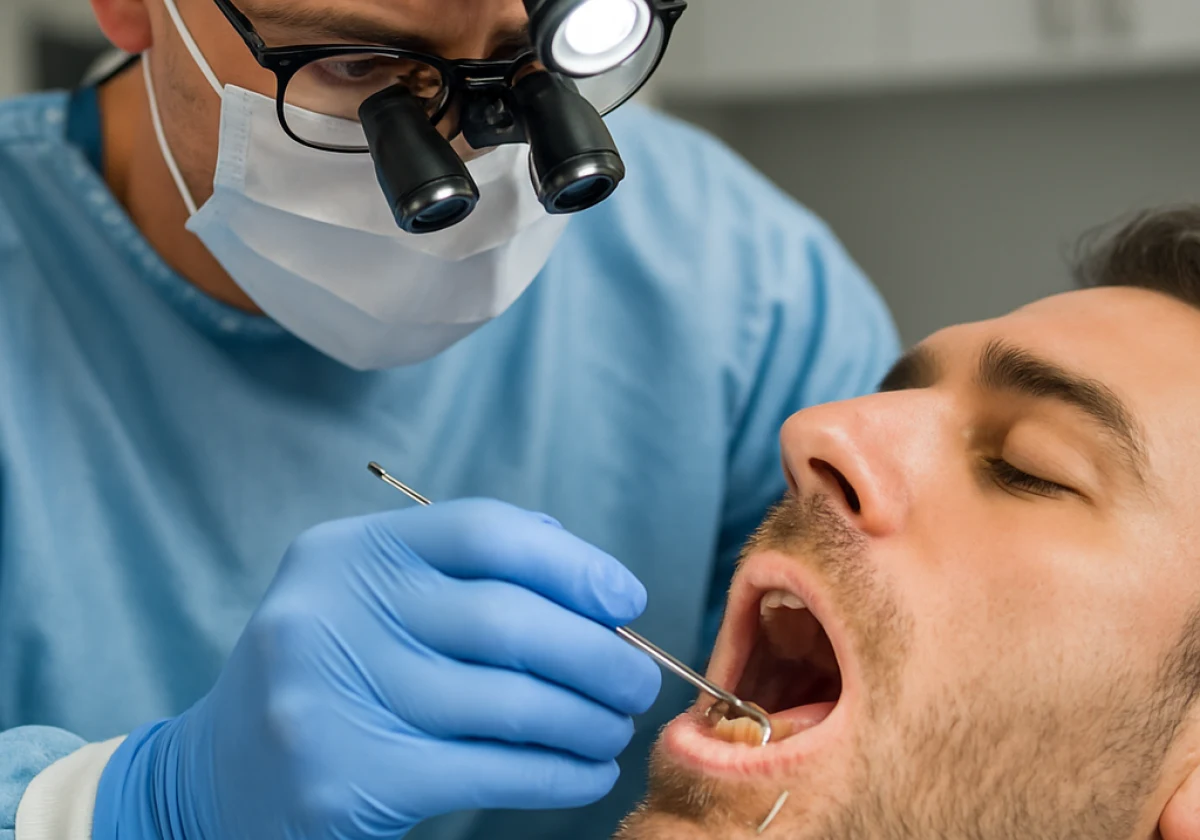
One benefit of this therapy is that it can help manage some oral infections without relying on another course of antibiotics. This is especially relevant as antibiotic resistance affects prescribing practices in Australia. Gum disease is also common, with around 3 in 10 Australian adults having moderate or severe periodontitis.
These clinical applications show where PDT pulls its weight:
- Periodontal and Peri-Implant Pockets: Deep pockets can retain bacteria that scaling may not fully remove, particularly when they extend beyond 5 mm. A dye-and-light treatment can help reduce this bacterial load around teeth and implants.
- Endodontic Therapy: Some parts of the root canal system remain difficult to reach with files and irrigation. Here, the dye can flow into areas that instruments miss before laser light activates it to target the remaining bacteria.
- Dental Caries: Early lesions are another potential use for PDT. Reducing decay-causing bacteria before a restoration is placed may help limit the bacteria sealed beneath the filling.
- Oral and Maxillofacial Conditions: PDT also has a role as an additional treatment for some oral lesions and persistent fungal infections. Its antimicrobial action can support the main procedure when bacteria or fungi remain a concern.
Verdict: None of these replaces the mechanical work you already do with hand instruments. Each one adds a layer of oral health protection where your files and curettes never fully reach.
Current Research: The Utility of Photodynamic Therapy in Dentistry
Now that the main applications are clear, we can look at what the research shows. You don’t need to read every study to understand the overall findings. The results are fairly consistent across the main clinical uses.
| Clinical application | What the research says |
|---|---|
| Periodontal treatment | Modest extra pocket reduction as an adjunct |
| Endodontic treatment | Better bacterial kill alongside irrigation |
| Dental caries | Promising results, larger trials still needed |
Reviews in the International Journal of Molecular Sciences support this overall picture. The benefits are generally modest, but studies continue to find them when PDT is used alongside standard care. The evidence therefore supports PDT as an additional treatment, rather than a replacement for established dental procedures.
Ask Your Dentist About Dental Laser Therapy Options
Photodynamic therapy works by combining a dye, a light source, and oxygen. The diode laser provides the light needed to activate the dye, making it an important part of the treatment.
If you are considering this treatment, ask your dentist if their laser supports photodynamic therapy and which dye they use. These questions can help you understand what their laser system can actually do.
GPIAG supplies, services, and licenses ASA dental lasers for practices right across Australia. Contact GPIAG to talk through your dental laser therapy options and get your team trained on them properly.