Dental laser therapy is growing in 2026 because it removes what patients hate most about dental visits: drills, pain, and long recovery times. In fact, the global dental laser market reached $440 million in 2025 (up from $414 million the year before).
But let’s be honest, many people still dread going to the dentist. The sound of drills, the fear of needles, and worry about discomfort keep plenty of Australians from booking appointments.
Fortunately, things are starting to change. Dental laser therapy in 2026 offers a quieter and more comfortable experience, along with faster healing times.
In this article, we’ll walk you through what dental laser therapy actually is and how it fits into modern dentistry. You’ll also learn how it improves patient care and what you should think about before trying it yourself.
First, we’ll see how dental laser technology is impacting modern dentistry.
How Dental Laser Technology Is Changing Modern Dentistry in 2026
Dental laser therapy in 2026 uses focused light to treat teeth and gums with precision that traditional tools simply cannot match. This clinical technology makes procedures faster, quieter, and far more comfortable for patients.
Here’s what you need to know about how it works and why dentists across Australia are making the switch.
What Is Dental Laser Therapy?
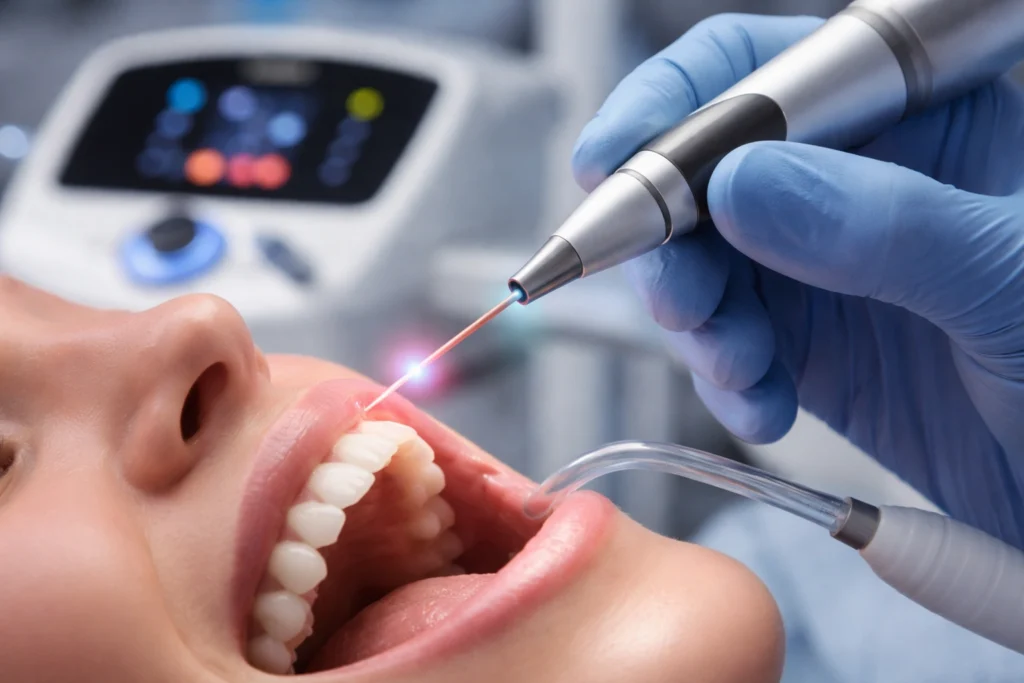
Dental laser therapy is a treatment method that uses concentrated light beams to remove decay, reshape gums, and carry out other dental procedures. Rather than relying on drills and scalpels, dentists use different wavelengths of light to work on both hard and soft tissues in your mouth.
And because the light is so precise, there’s less damage to the surrounding areas (and makes the treatment gentler). Our patients who used dental laser therapy often mention feeling more relaxed, especially since there’s no vibration and much less noise.
In many cases like routine gum treatments or cavity removals, there’s also little to no need for anaesthesia (a relief for anyone who dreads needles).
Common Uses in Modern Dental Practices
Dentists across Australia now use laser therapy for a wide range of treatments. To give you a better picture, here are some of the most common ways you’ll see dental laser therapy used at your next appointment:
Cavity Preparation
If you’ve ever dreaded the grinding sensation of a drill, lasers offer a welcome alternative. They remove tooth decay quietly and gently using just the focused light, which makes the whole experience far less stressful.
Gum Treatments
Gum disease usually requires removing infected tissue, and lasers handle this with less cutting than traditional methods. Because of this, healing is usually faster, and you’ll experience noticeably less bleeding during the procedure.
Whitening and Soft Tissue Work
Want a brighter smile? Lasers activate bleaching agents more effectively and speed up the whitening process. Dentists also use them to reshape gums and treat mouth ulcers with minimal discomfort.
Oral Surgery Applications
When it comes to dental emergencies or surgical procedures, precision is extremely important. Thankfully, lasers can provide cleaner cuts, which reduces trauma to the area and helps you recover more quickly.
Simply put, laser therapy gives dentists more ways to treat patients with less discomfort and shorter recovery periods.
Why 2026 Is a Turning Point for Laser Adoption
A few important factors are coming together to make 2026 a big year for dental laser therapy.
For starters, the equipment is becoming more affordable and portable, which means more general practices can now offer it rather than just specialist clinics.
Plus, more healthcare professionals are completing training in laser dentistry. With a growing number of skilled dentists entering the field, the technology is becoming accessible to more patients across Australia.
And since you’re reading this (assuming you’re a curious patient), you probably already see how dental laser therapy can improve your dental experience. Like you, many people now want treatments that are comfortable, safe, and quick to heal.
In 2026, dental lasers deliver on all of these and offer results that older methods simply can’t match.
2026 Guide to Patient-Centred Care: The Role of Dental Laser Technology
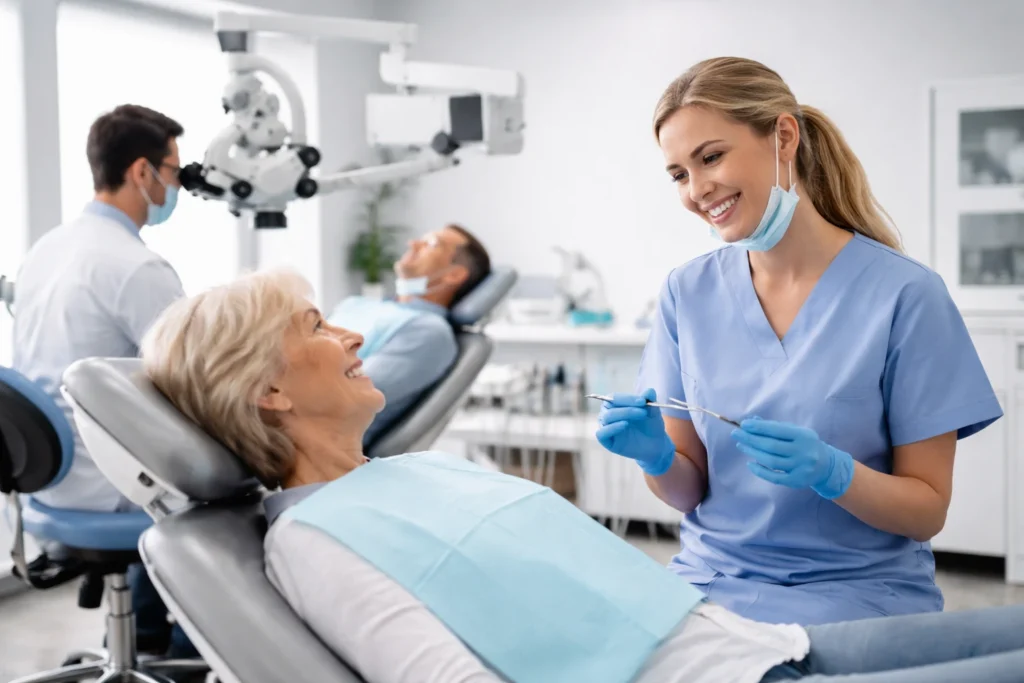
Patient-centred care in 2026 means your comfort, preferences, and well-being come first during every dental visit. Laser therapy supports this approach by reducing pain, speeding up healing, and giving you more control over your treatment.
Now, let’s see what this means for you.
What Patient-Centred Care Looks Like in 2026
Gone are the days when a trip to the dentist meant bracing yourself for pain and a long recovery. With dental lasers, like we mentioned, you get gentler treatments and faster healing. This also means fewer follow-up appointments taking up space in your calendar.
Dental lasers also seal small blood vessels as they work and target only the affected tissue, so you’ll notice less bleeding and swelling compared with traditional dental tools. The recovery time is shorter as well, often just 1–3 days instead of 7–10 days.
Making Space for Every Kind of Patient
Now, not everyone feels the same way about going to the dentist.
Kids, in particular, can get frightened by unfamiliar sounds of drills and dental equipment. And anxious people might just avoid appointments for years (until they can’t avoid it anymore). For neurodivergent people, the sensory overload from drills and bright lights can make treatment feel overwhelming.
If you or someone you know matches any of these descriptions, then laser therapy is the perfect alternative. It creates space for anyone who might otherwise struggle in a traditional dental setting.
Carers also benefit from this change. For instance, if you’re helping someone else make health decisions, having access to less invasive options can make things easier.
This is what person-centred (or patient-centered) care is all about. It means meeting each patient’s specific needs and comfort levels, and lasers give dental teams a better way to do exactly that.
You Deserve to Be Heard and Involved
So, how exactly do dentists use dental laser therapy to offer person-centered care? In practice, this means your dentist will ask the right questions, listen to your concerns, and involve you in decisions about your treatment.
And laser therapy supports this by giving you more time and space during appointments. There’s less rushing, less discomfort, and more chances to understand what’s happening and why. Your preferences, concerns, and comfort all become part of the treatment plan.
So you’ll feel informed and more confident about the care you’re receiving.
Make Informed Decisions About Dental Laser Therapy in 2026
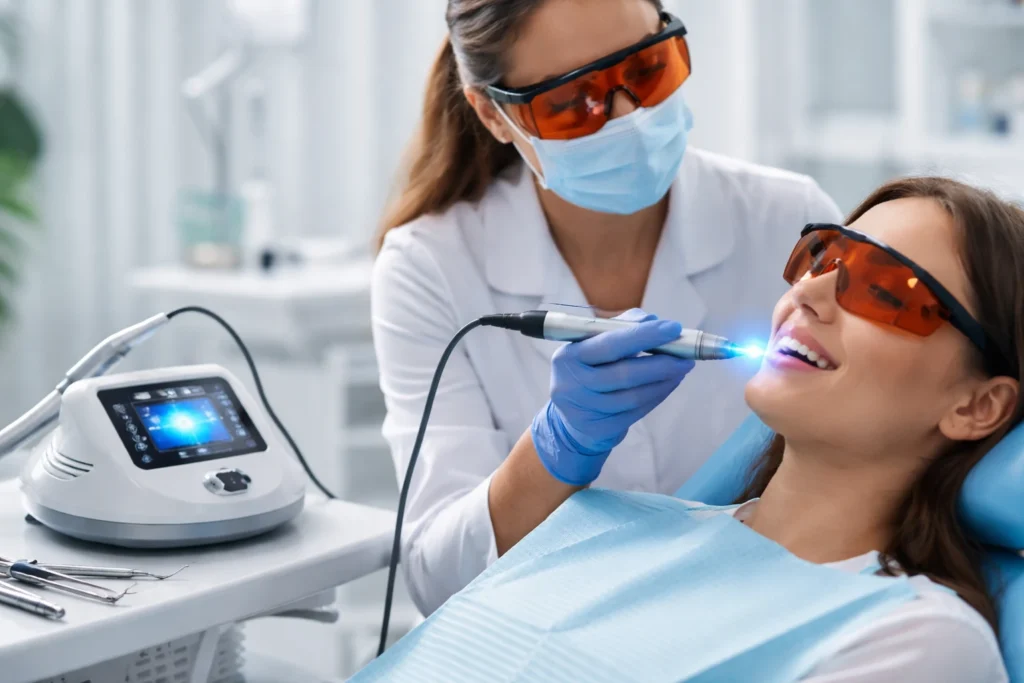
If you’re considering laser therapy for yourself or someone you care for, there are a few practical things worth keeping in mind before you book an appointment.
Let’s start with cost. Laser treatments may be a bit pricier upfront compared to traditional methods. But fewer visits and faster healing often balance out the value over time.
Safety is another important consideration. You’ll want to look for a trained, accredited practitioner who can explain whether lasers suit your specific condition. Keep in mind that not every dental issue is right for laser treatment, and a good dentist will be upfront about that from the start.
Now, if you’re searching for a modern dental practice, take a few minutes to check clinic websites for details about their technology and staff training. While you’re at it, don’t hesitate to ask questions about their experience with lasers, safety protocols, and what you can expect during your visit.
Above all, don’t hold back when talking to your dentist. Share your fears, preferences, and budget openly so you can make informed decisions together.
Ready to learn more? Visit GPIAG to find out how this technology could benefit you.